2007 Final Report to Montana Board of Research and Commercialization Technology
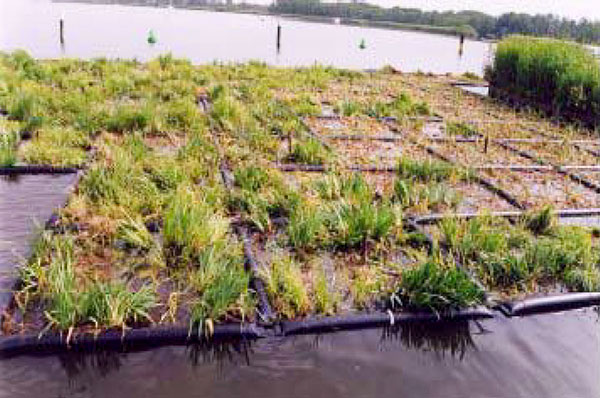
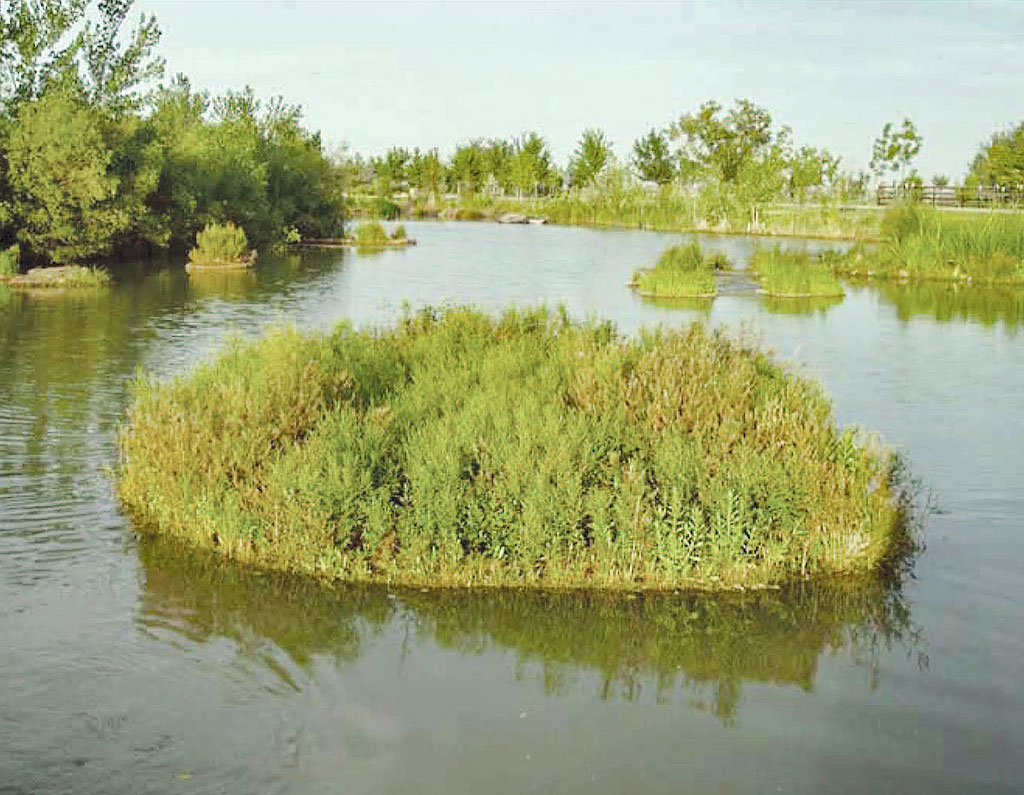
The purpose of this project was to produce and test biomimetic, self-sustaining floating treatment wetlands (“floating islands”) that are designed to remove excess nutrients and other contaminants from lakes, streams, and wastewater lagoons and assess their commercialization potential. Grant funding was received from the State of Montana.
Floating Treatment Wetlands: an Innovative Option for Stormwater Quality Applications
(Headley and Tanner, 2011): Floating Treatment Wetlands (FTWs) are an innovative variant of the more traditional constructed wetland and pond technologies that offer great potential for treatment of urban stormwaters. FTWs employ rooted, emergent macrophytes (similar to those used in surface and subsurface flow wetlands) growing on a mat floating on the surface of the water rather than rooted in the sediments.
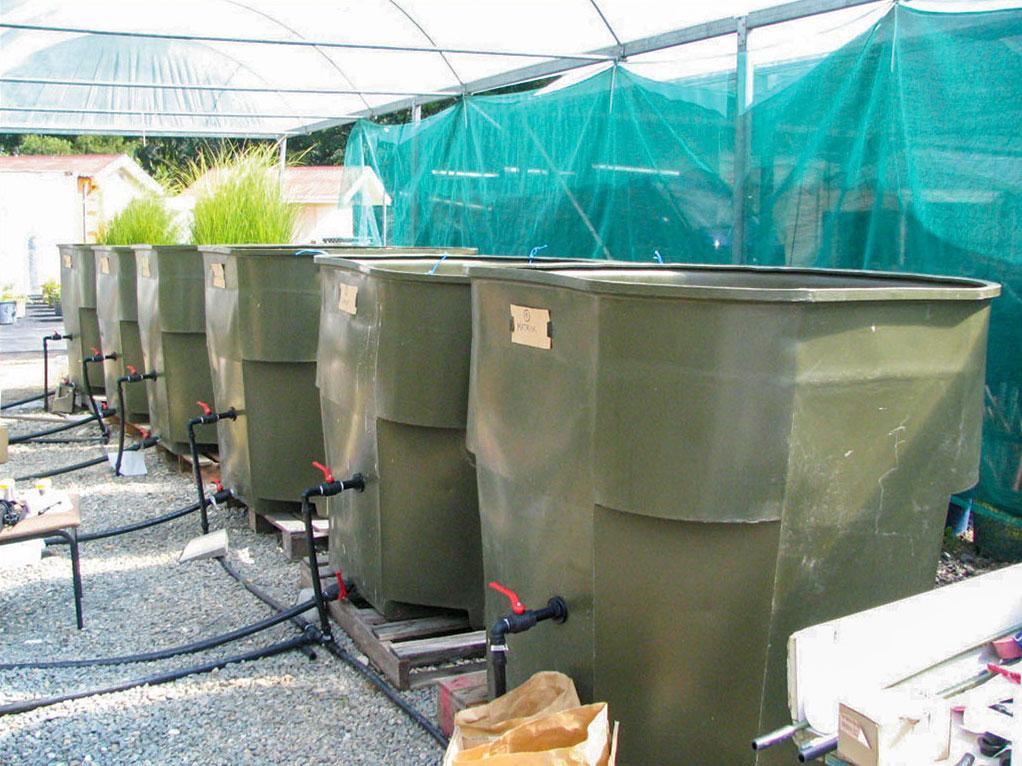
(Frank Stewart et al. 2008): Floating islands as an alternative to constructed wetlands for treatment of excess nutrients from agricultural and municipal wastes – results of laboratory-scale tests
Floating treatment wetlands – an innovative solution to enhance removal of fine particulates, copper and zinc
(Tanner & Headley, 2007): Reduction of metals, particularly copper and zinc, in urban stormwater has been identified as a priority to protect the health of aquatic ecosystems in the Auckland Region (Auckland Regional Council, 2004). Floating treatment wetlands (FTW), employing emergent plants growing on a mat floating on the water surface, rather than rooted in the bottom sediments, provide an innovative option for treating urban stormwaters.
Performance Evaluation of a Floating Treatment Wetland in an Urban Catchment – Bribie Island, Queensland, Australia. Published by MDPI.
Peer-reviewed article, by authors Peter Nichols, Terry Lucke, Darren Drapper and Chris Walker, published by Switzerland-based journal MDPI, detailing a Floating Treatment Wetlands performance in a stormwater catchment pond in Queensland, Australia. This is a SPEL WaterClean project, using BioHaven technology.
Whether you have questions about our technology, need support, or want to share your feedback, our dedicated team is here to assist you every step of the way.