
14,000+
ISLANDS WORLDWIDE
FLOATING ISLAND INTERNATIONAL
Licensed manufacturers are now constructing and marketing BioHaven products worldwide, with more than 14,000 BioHavens launched to date. To keep meeting the urgent need for effective, nature-based infrastructure to combat aquatic methane emissions and to develop an innovative stewardship model that can deliver a return on investment, FII maintains a strong research and development focus that continues to result in many issued and pending patents.
How did we come up with this solution?
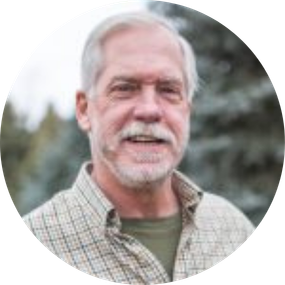
Bruce Kania
Founder and Chairman, Floating Island International
I grew up in Wisconsin and graduated from the University of Wisconsin in 1976 with a degree in social studies, which gave no hint I’d spend my life inventing things. I married, moved to Montana and tried my hand at real estate. It never held me. What did was product development: seeing something that ought to exist, and building it.
From 1985 to 2005 that meant prosthetics and sporting goods. The work I’m proudest of from those years is the Alpha Liner, a prosthetic liner that gives lower-limb amputees unparalleled protection of the residual limb. Underneath it all, one question kept coming back: how has nature already solved this? The author Janine Benyus gave that question a name and a following. She called it biomimicry.
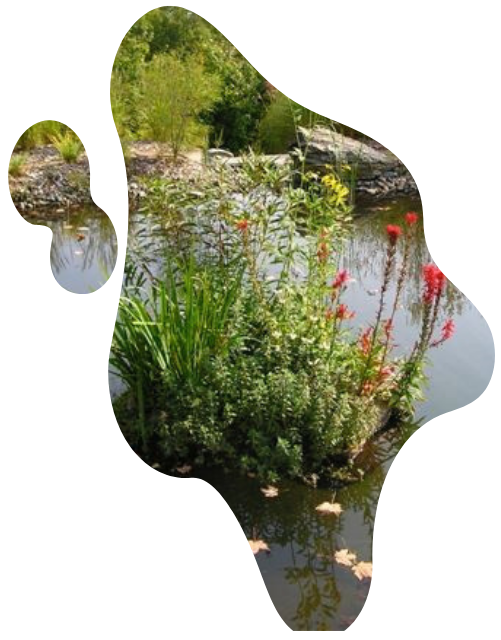
In 2005 my version of biomimicry went into the water. The BioHaven floating island is a wetland you can launch: native plants on top, roots cleaning the water below, insects and minnows filling in the middle. Floating Island International (FII) grew up around it, on a licensing model funded by demonstration projects, patent royalties and venture capital.
We set up at the Shepherd Research Center, on the Yellowstone River east of Billings, Montana. Intensive farming surrounds us, and its nutrient runoff gave us exactly the impaired water we needed to learn on. Since 2005, FII and its licensed manufacturers have launched some 14,000 BioHaven islands, from 5 square feet to more than 50,000. BioHaven is an international leader in floating treatment wetlands.
Nearly seven years ago, our own water pointed us at a bigger problem. When a lake is overfed, algae bloom and die, the bottom runs out of oxygen, and the mud starts making methane: a greenhouse gas far more potent than carbon dioxide, and one that rarely shows up in anyone’s climate accounting for lakes and ponds.
That work became the RAM system (Reduction ofAquatic Methane): floating islands designed to cut biogenic methane at the source while keeping the wildlife habitat our islands are known for, protected by its own patents. We’re now looking for a strong licensee to take RAM to full commercial scale. My goal is to see BioHaven and RAM working at full scale within five years, repairing nutrient-impaired water for people and wildlife alike.
In 2026, FII opened a new stage: telling what we’ve learned to everyone who manages, funds or designs water. Our communications engine is led by Ricky Lanusse, FII’s chief marketing officer and an environmental journalist. Our mission is to turn the work on our water into digestible, relatable, and accessible stories for people to really understand our current situation and all the things that can do to repair it.
Together with it comes a new FII website, launching in November 2026, with an email newsletter of its own and a location system that maps wetlands and aquatic methane. In a single month this fall, our message reached more than 100,000 people. That’s a long way from a few ponds outside Billings. The ponds are still where the learning happens.
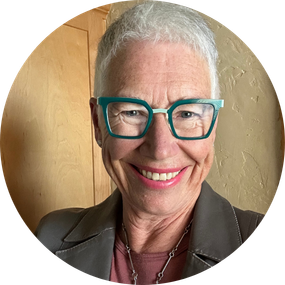
Anne Kania Executive Vice-President
Anne has lived in England, New Zealand, and now Montana, where she has built a diverse career as a project manager, computer programmer, and professional singer. She has worked with FII for more than 20 years in roles including project management, sales support, and company administration.

Cornelius (Andy) Valkenburg, PhD Lead Scientist
Dr. Andy Valkenburg is a research scientist with a BA in Biology and a Ph.D. in Chemistry and 40+years’ experience working in environmental analytical chemistry, industrial process chemistry, environmental research projects and statistical experimental design. Andy has extensive knowledge in environmental analytical methods, EPA regulations, laboratory accreditation processes and the application of floating treatment wetlands for nutrient removal and methane mitigation from waterways.
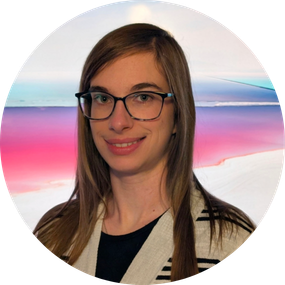
Madison LeBrun Biologist, Research Assistant
Madison, a Montana native with a love of wildlife and the outdoor world, graduated with a B.S. in Biology from Montana State University, Billings. She conducts crucial aquatic ecosystem experiments involving the Reduction of Aquatic Methane (RAM) technology and water quality monitoring. She also supports the management team with scientific research.
If you’d like to learn more about RAM technology, email Madison at madison.lebrun@floatingislandinternational.com
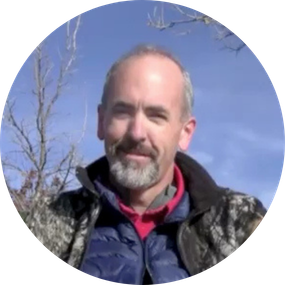
Mark Reinsel, PhD, PE Consultant
Dr. Reinsel is an expert in analyzing treatment alternatives for industrial wastewater, groundwater, stormwater, and drinking water. He joined FII in 2010. He received his doctorate in chemical engineering from the Center for Biofilm Engineering in Bozeman, Montana, and is a former professor of chemical and environmental engineering. He has consulted on water quality projects from Alaska to Peru and is president of Apex Engineering in Missoula, Montana.
Our Licensees and Partners
Floating Island International products are manufactured and sold through an exclusive network of licensed manufacturers who collaborate to bring BioHaven technology to their regions.
A Special Shout-out to our supporters:
Acknowledgments
FII gratefully acknowledges the researchers, scientists, pioneers, licensees, Island Masters, supporters, and funding agencies who believed in the mission and supported the work.




Be a Part of the
Change, Starting
with our Water
Whether you have questions about our technology, need support, or want to share your feedback, our dedicated team is here to assist you every step of the way.
Email
info@floatingislandinternational.com
Phone
+1 406.373.5200
Location
Helena, MT