
BIOHAVEN
FLOATING ISLANDS
BioHaven® Technology is the Standard
in Floating Treatment Wetlands
What Makes
BIOHAVENS
Different?
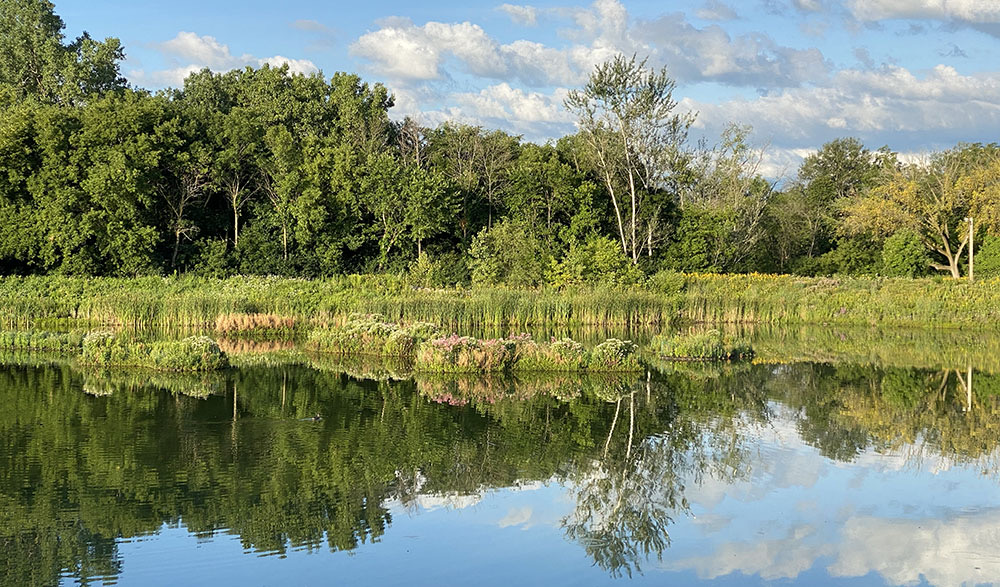
BioHaven matrix forms an extensive surface area for biofilm attachment – a bioreactor, capable of removing many different pollutants through microbial activity. The matrix is a flexible, well-oxygenated growing platform, allowing plants to fully mature and reach their maximum potential. The introduction of growing media enhances plant growth further.
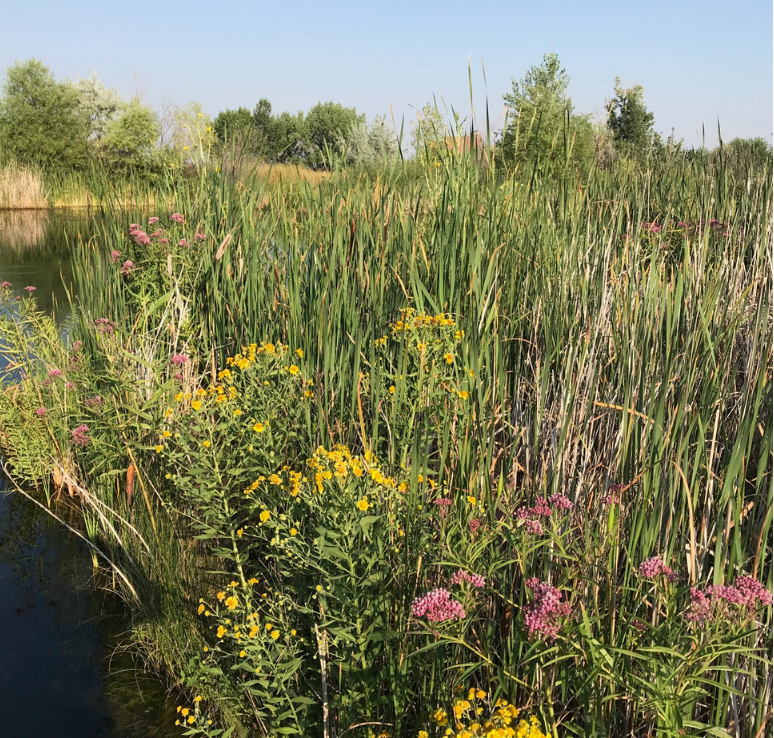
- Plant roots grow not just under the island but within the matrix itself and through the sides, benefitting from exposure to light and easily accessible to grazing fish.
- The matrix does not plug up because the biofilm is constantly being grazed and renewed.
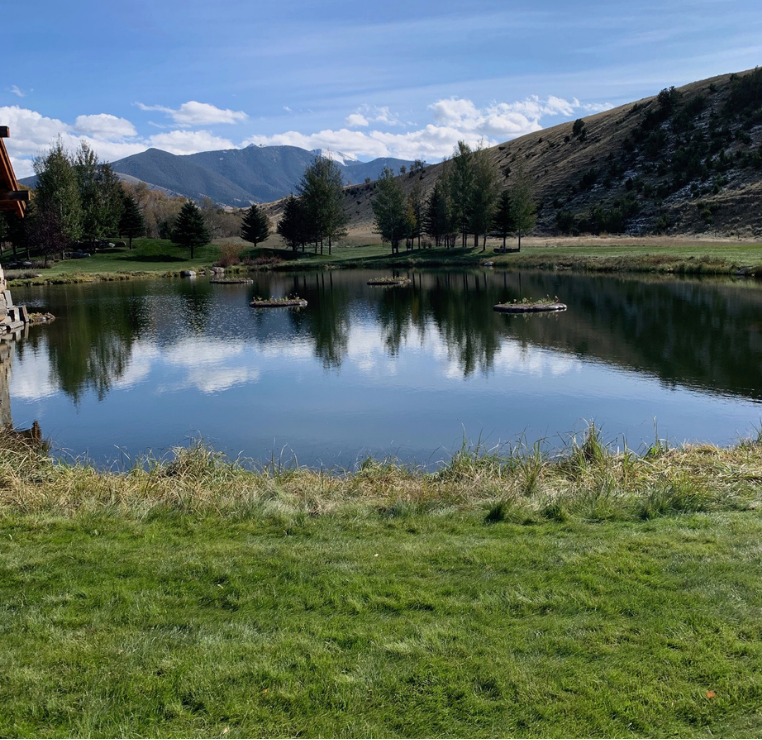
- They can be made virtually any size, shape and depth to support everything from wetland plants to gazebos.
- They are resilient even to Class 3 hurricanes.
- Our proprietary sizing tool – applicable only to BioHaven – can accurately estimate the amount of island needed to meet water quality goals.
Oh, and they actually look like real islands!
Nature’s Wetland Effect
Plants and Habitat
Beneficial Biofilm
Every surface area in water attracts beneficial microbes that carry out nature’s cleaning processes.
Inside every cubic foot of BioHaven matrix, there are 375 square feet of “fibers” (surface area) covered with millions of microbes. If you’ve ever slipped on a river rock or picked up a slimy stick to throw for your dog, you’ve encountered biofilm. What we think of as “icky slime” actually teems with microscopic life and is the building block of the aquatic food web. As oxygen provides air to support life, biofilm provides nourishment. When there is plenty of both, clean, healthy water is enjoyed.
Plant matter – phytoplankton – sticks to biofilm and forms periphyton, those dangly green fronds that you see drifting below the water surface. Under a microscope, you’ll find it’s a jungle alive with tiny “lions and tigers”, all eating each other and being eaten, absorbing nutrients as they grow and feeding the next layer of the food web. Biofilm and periphyton are often referred to interchangeably.
Periphyton is the healthy alternative to algae. Algae represent a monoculture that feeds on an overload of nutrients; it has a boom-and-bust cycle, which deprives the water of oxygen and contributes to methane formation. Periphyton cycles nutrients into the food web instead, over time, allowing a balanced ecosystem to be present and thrive.
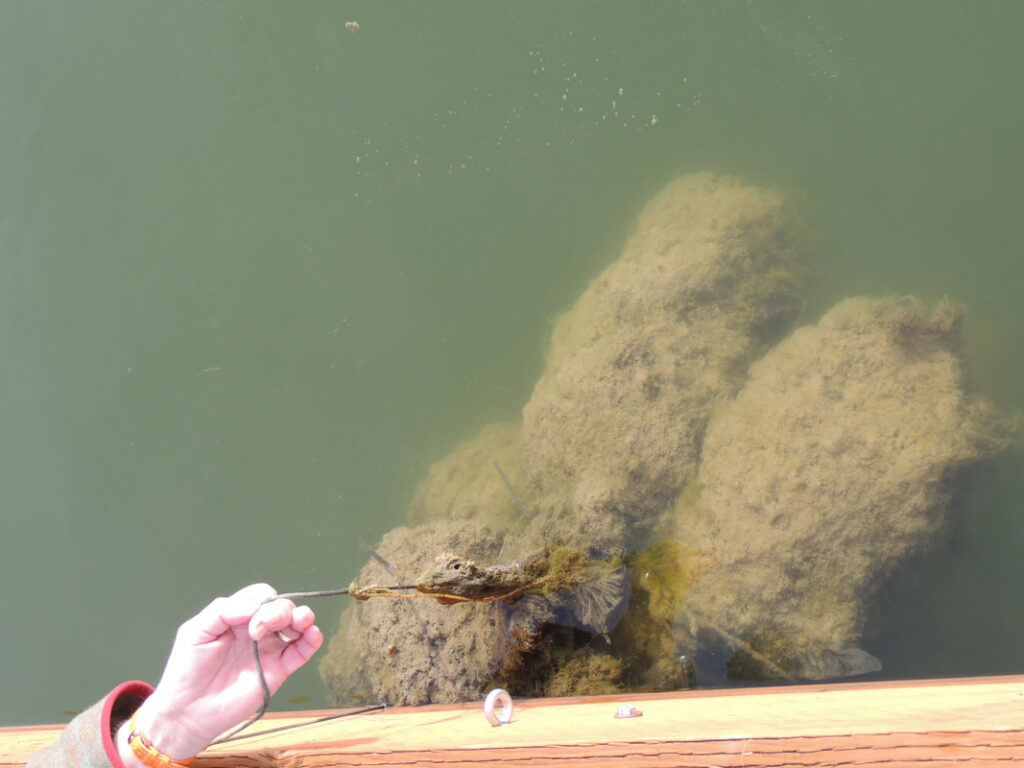
BioHaven matrix is a bioreactor – a bio-reactive surface area for attachment of biofilms. Complex microbial communities (biofilm) also assemble on, and throughout, the root mass below the water surface, and contribute to water treatment processes through adhesion, filtration, nutrient uptake (direct use by plants), and sequestration. We refer to this as the “concentrated wetland effect”.
Biofilm Reduces Microplastics
The BioHaven and hanging root-biofilm network provide a biologically active surface area for biochemical processes as well as physical processes such as filtering and entrapment. In other words, organic and inorganic particulates stick to the biofilm and are filtered out from the water column. This includes microplastics. BioHavens are part of the solution.

How Does Ice Affect BioHavens?
BioHavens winterize very well. In cold climates, water freezes in and around the matrix, which is flexible enough to handle any expansion caused by ice. It is not uncommon to experience situations where, during a long winter, islands freeze, seasonal water levels may recede under the ice and the ice breaks, taking the islands with it. Then it snows, rains, thaw and freezes again, often causing the islands to be buried under several feet of snow. Finally, when Spring thaw arrives, the islands regain their buoyancy and the plants grow again (at least, if you’ve planted perennials) and become the lush and beautiful islands you remember from last Fall.
BioHavens will survive most winter conditions. If you wish to deploy them in a lake with moving ice, it is important to design around this condition.
During winter, fish are very susceptible to both cold temperatures and low dissolved oxygen in the water. To avoid freezing, they inhabit the warm(er) bottom layer of the water, when it is stratified. However, this is the zone that typically has the least oxygen and the most sediment. One big advantage of RAM is that it gently adds oxygen to the bottom layer while preserving the warmer temperature, so that fish can breathe and survive the toughest time of year. A fish that is healthy going into Spring has a much better chance of successful breeding and overall survival.
How Much
BIOHAVEN
Do I Need?

Be a Part of the
Change, Starting
with our Water
Whether you have questions about our technology, need support, or want to share your feedback, our dedicated team is here to assist you every step of the way.
Email
info@floatingislandinternational.com
Phone
+1 406.373.5200
Location
Helena, MT